
Asphalt surfaces, overlays, and preservation treatments
Asphalt options may look similar after application while serving different purposes. New pavement builds a surface and supporting structure. An overlay adds asphalt over suitable pavement. Preservation treatments address selected surface conditions. The existing base and distress pattern determine which category applies.
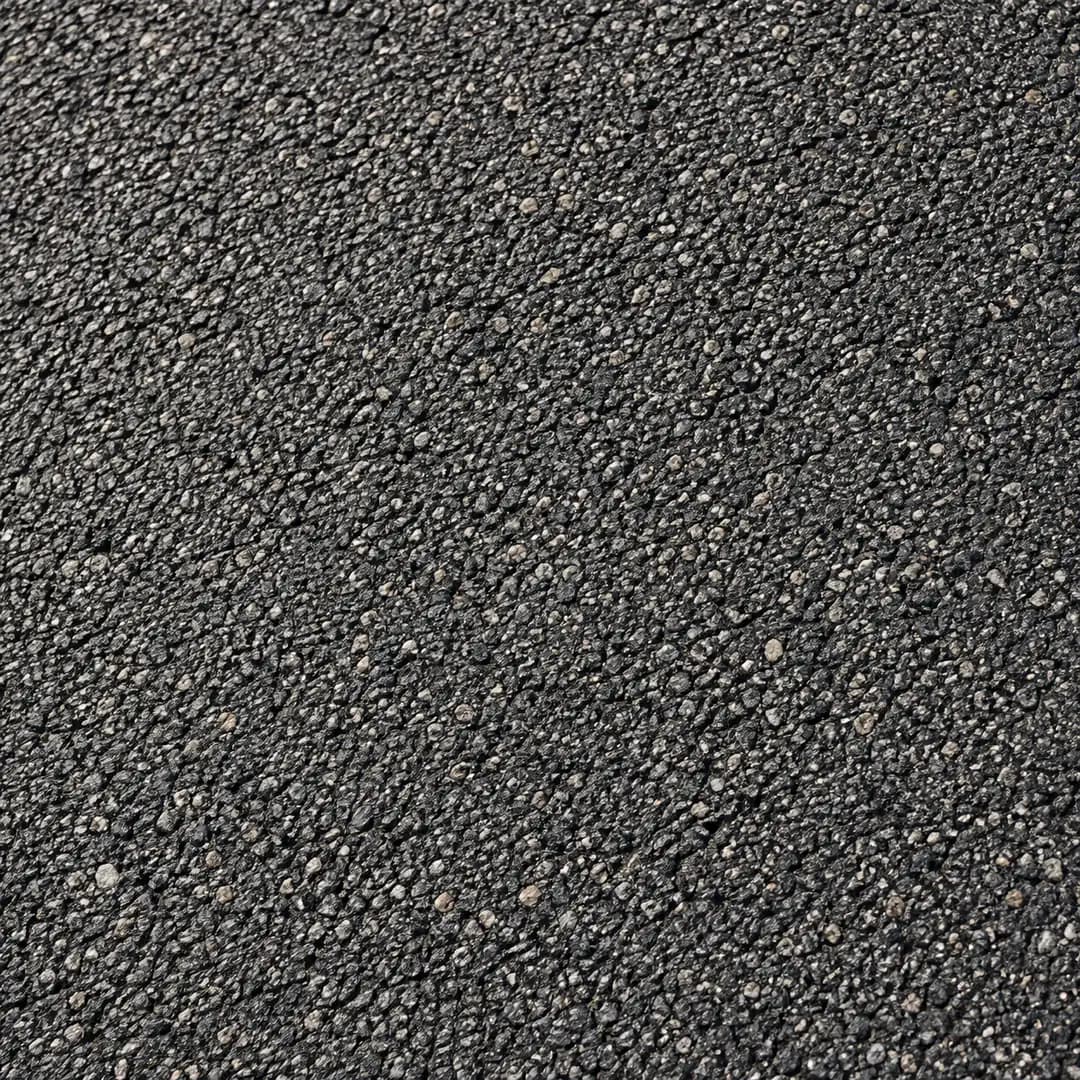
The visible surface is one layer of a system
A conventional asphalt pavement usually places a dense-graded surface course over supporting layers. FHWA describes the surface course as the upper layer designed around concerns such as smoothness, water resistance, friction, and resistance to deformation. Its appearance cannot show whether the base below is stable.
Before comparing treatments, map settlement, alligator cracking, potholes, failed edges, utility cuts, and recurring ponding. A surface application may improve texture or seal small openings, but it cannot correct every structural or drainage problem beneath it.
New paving and full-depth work
New paving starts with the ground and supporting layers rather than the top color alone. The scope may include excavation, grading, aggregate base, asphalt lifts, transitions, and drainage details. Replacement can also require removing failed pavement before rebuilding the section.
This category is relevant when the pavement does not exist, the layout changes substantially, or widespread movement points to problems below the surface. Thicknesses and materials should come from the intended use and site conditions, not a generic residential or commercial label.
Overlays and resurfacing
An overlay places a new asphalt layer over existing pavement. It can restore a more uniform riding surface and renew the wearing course when the underlying pavement can support it. Milling may be used to remove material, correct elevations, or prepare transitions before the overlay.
An overlay does not erase the history of the pavement. Existing cracks can reflect through, and low areas may return if their cause remains. Review thresholds at garages, gates, sidewalks, drains, curbs, and adjoining pavement because adding material changes elevations.
Surface treatments serve narrower purposes
FHWA lists fog seals, slurry seals, microsurfacing, chip seals, and thin overlays among pavement-preservation tools. A fog seal is a light asphalt-emulsion application without added aggregate. Slurry seals and microsurfacing combine asphalt emulsion with aggregate and other components to create a new surface treatment. These are distinct products, not interchangeable names for black coating.
Treatment selection depends on current condition, traffic, desired texture, curing or reopening constraints, and local availability. Preservation work is most useful when matched to the distress it can address. It should not be presented as a repair for base failure or extensive settlement.
Porous asphalt changes the drainage concept
Porous asphalt uses an open-graded surface over a stone reservoir so water can pass through the pavement system. FHWA distinguishes it from an open-graded friction course, which drains water laterally from a thin surface placed over dense pavement. A porous system therefore requires planning for the reservoir, subgrade, possible underdrain, overflow, and maintenance.
For an estimate request, identify the current pavement type, age if known, traffic, drainage complaints, repair history, and access limits. Wide photos show layout and transitions; close views show crack patterns and surface loss. Those details help separate a surface issue from a deeper pavement issue.
- Photograph cracks as a pattern, not only as isolated close-ups.
- Mark drains, ponding, curbs, gates, loading areas, and pavement edges.
- State whether the goal is replacement, smoother travel, renewed appearance, drainage, or preservation.
Common questions
Is an asphalt overlay the same as sealing?
No. An overlay adds a compacted asphalt layer. Fog seals, slurry seals, microsurfacing, and similar treatments use different materials and serve narrower preservation purposes. The pavement condition determines which approaches are reasonable to evaluate.
Can a dark new surface hide base problems?
It can hide symptoms for a time without resolving their cause. Settlement, widespread interconnected cracking, soft edges, and repeated ponding should be reviewed before selecting a surface treatment or overlay.