
Prepare for a useful site visit
A site visit works best when the team can see what you see and understand what you want to change. You do not need an engineering diagnosis before the visit. A short record of the surface, access, drainage, and daily use gives the conversation a practical starting point.
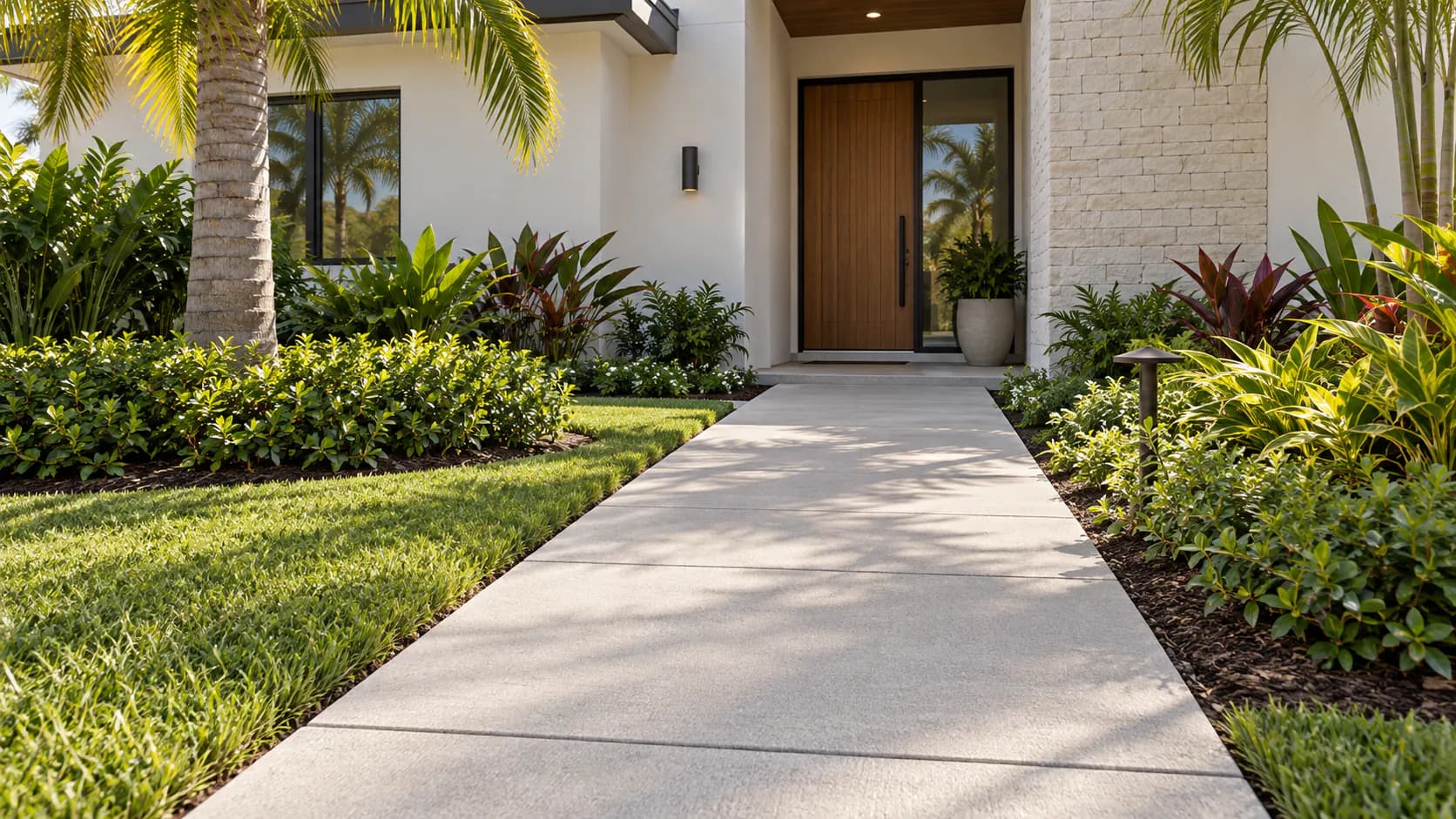
Record the problem in context
Start with wide photos that show the whole driveway, patio, parking area, or walkway. Add close views of cracks, uneven edges, repairs, standing water, worn markings, or places where vehicles have difficulty turning. A close-up without its surroundings can hide a slope, a gate, or a connection that changes the work.
Write down what you want the project to improve. You might want a smoother arrival, more usable parking, a clearer pedestrian route, or a different surface. Keep that goal separate from your guess about the cause. The visit should help connect the observation to the work that may address it.
- One wide view from the street or main approach
- Close views with a note identifying each location
- The areas you want to keep, remove, or extend
Mark the project boundary
Walk the edges before the appointment. Include the street connection, garage or loading entrance, side paths, planting beds, steps, drains, gates, and any surface that will remain. A simple sketch or annotated photo makes it easier to discuss where the new work begins and ends.
Mention features that could affect access or sequencing. Irrigation, utility equipment, shared driveways, resident parking, delivery routes, and narrow passages may matter even when they are outside the paving itself. Identifying them early keeps the estimate conversation focused on the real property.
Observe water and ground conditions
After ordinary rain, note where water first appears, where it collects, and how long the area stays wet. Photograph the relationship between the surface, the house, the garage, the street, and nearby drains. Do not enter a flooded or unsafe area to collect a better image.
The visible finish does not explain the full pavement structure. FHWA describes the pavement system as a surface, base or subbase, and subgrade whose conditions influence support and drainage. Use your observations to ask what needs to be reviewed, rather than presenting a photograph as a final diagnosis.
Bring decisions you have already made
Bring material references, association notes, property rules, and any preferred work windows. Label inspiration images as references and keep them separate from photos of your property. If a color, pattern, or marking layout matters, explain what you want to preserve about it.
Also list the decisions that are still open. A useful visit can compare a few realistic paths without forcing you to choose before the existing conditions are understood. Ask which items are included in the proposed scope and which require more review.
Leave with a shared next step
Before the visit ends, repeat the project boundary, the main observations, and the questions that remain. Ask how additional conditions would be documented if removal or preparation reveals something different. A written scope should make the assumptions visible so you can compare it with another proposal later.
The visit is a review, not a binding price or a booking. It should leave you with a clearer description of the work, the information still needed, and the person who will answer the next question.
Common questions
Do I need measurements before requesting a site visit?
Approximate dimensions can help explain the area, but you can begin with photos, a sketch, and a description of what you want changed. Final dimensions and site conditions belong in the property review.
What if I do not know which material to choose?
Say that in the request. The team can discuss the way you use the property, the existing surface, access, drainage, and the choices that still need review before you decide.