
Plan care around the material
Care is easier when it is tied to the surface you chose and the conditions around it. A paving handoff should explain what to watch, what to keep clear, and which questions belong with the installer. General advice cannot replace the instructions for the actual material and site.
Keep the handoff specific
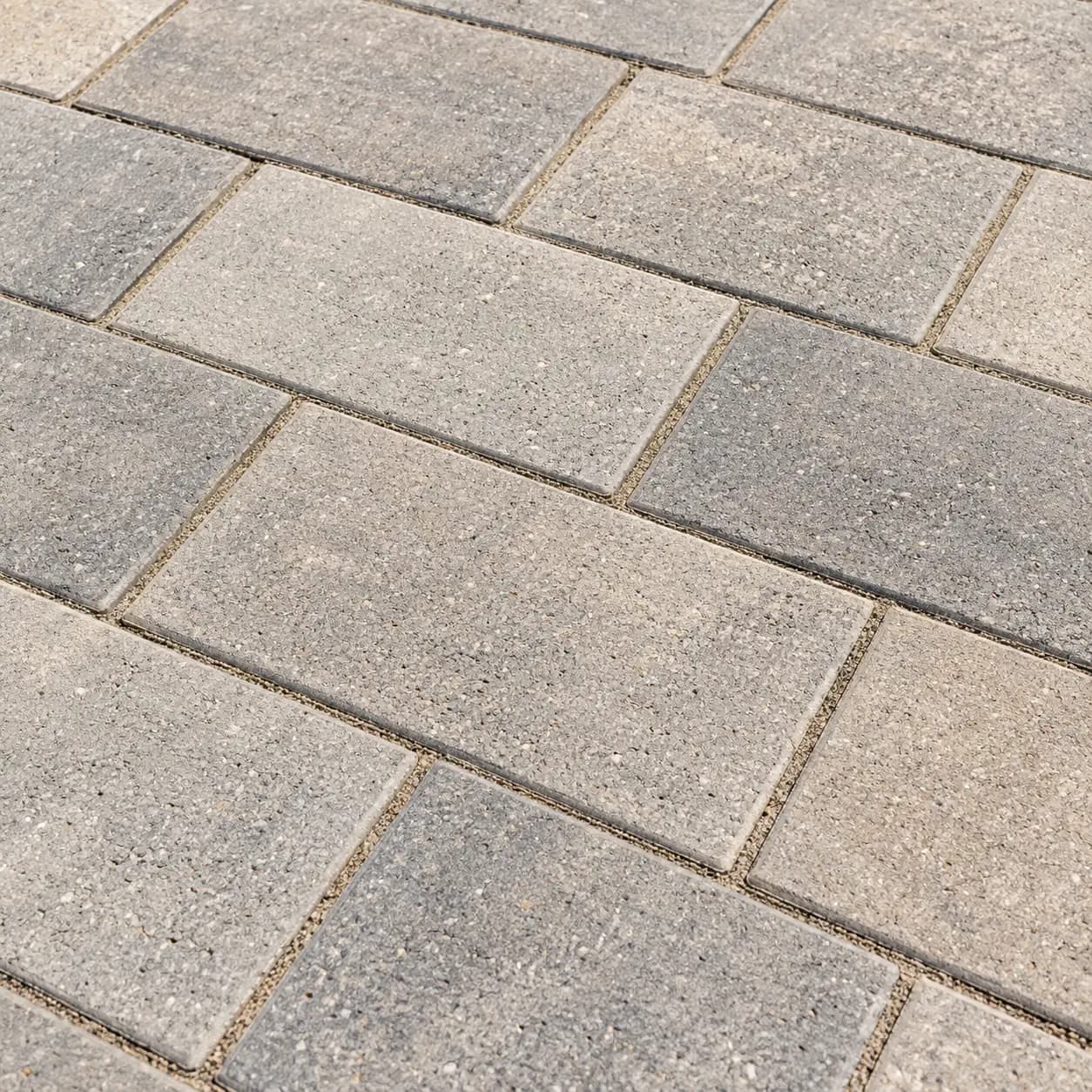
Ask the team to identify the installed material, finish, joints, edges, and areas that connect to existing paving. For asphalt, concrete, and pavers, the visible care questions differ. The useful answer names the surface and the places where water, vehicles, landscaping, and foot traffic meet it.
Keep the accepted scope and care notes together. If the project includes repairs, striping, drainage work, or retained surfaces, note which instruction applies to each area. A single generic paragraph can leave the most important transition unexplained.
- What to keep clear at edges and drains
- How to report a new crack, settlement, or loose unit
- Which retained surfaces need separate care
- Who answers a material-specific question
Watch water and connections
Continue watching the edges after ordinary rain. Note water that reaches a garage, door, planting bed, drain, curb, or neighboring surface. A new observation does not prove a construction failure, but it gives the installer a location and condition to review.
Pavement performance depends on the system, not only the finish. FHWA describes the surface, base, subbase, subgrade, and drainage features as related parts of pavement design. Keep care questions connected to the layers and connections that were included in the scope.
Treat permeable paving as a system
If the project uses permeable pavers, ask how the joints, bedding, aggregate layers, edges, and outlets are meant to function together. EPA describes permeable pavement as a system that allows water through the surface and into underlying layers, so keeping those paths clear matters.
Do not assume that ordinary sand, open joints, or a paver pattern provides the same behavior. Ask which material belongs in the joints, what should be removed from them, and who should review a change in water movement or sediment.
Make inspection easy
Walk the property at a practical interval and record changes with a wide photo and a short note. Mark the location rather than sending only a close-up. Look for the condition of edges, transitions, markings, joints, and places where water or traffic concentrates.
For commercial or HOA properties, assign one person to collect observations and share them through the agreed contact. A consistent record helps separate a one-time observation from a repeated pattern and gives the team a clear place to begin a follow-up.
Ask before changing the surface
Before sealing, filling, washing, adding a joint product, moving an edge, or changing drainage, ask whether it fits the installed system. A well-intended product can change appearance, water movement, or access at a connection.
Keep receipts, product names, care notes, and the final scope together. The record helps the team distinguish routine care from a condition that needs a site review, without asking a general guide to make a project-specific diagnosis.
Common questions
Can one care routine cover concrete, asphalt, and pavers?
No. Each surface and its connections can need different care. Ask for instructions tied to the installed material, the joints or markings, drainage features, and the areas that meet existing surfaces.
What should I do if water changes after the work?
Record the location and conditions from a safe position, then contact the team using the agreed channel. The observation helps them review the site without assuming the cause from a photograph alone.